Dietary Sensing
Log meals as
they happen.

Design
Making sense of
dietary activity.
Food shapes our health, relationships, routines, and identity. As dietary sensing technologies become more capable, the challenge shifts from detecting eating to designing systems that thoughtfully support the many ways people engage with food.
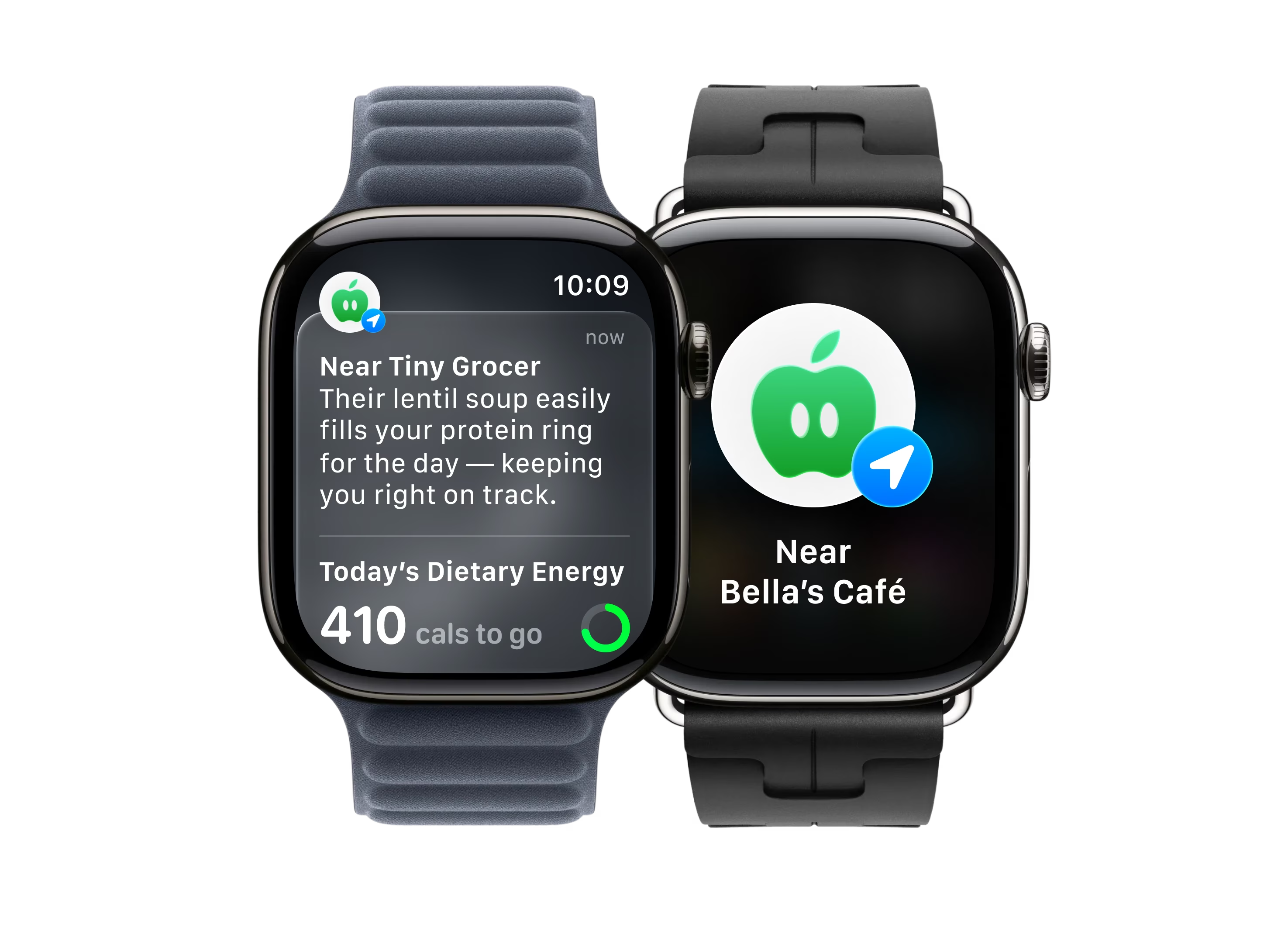
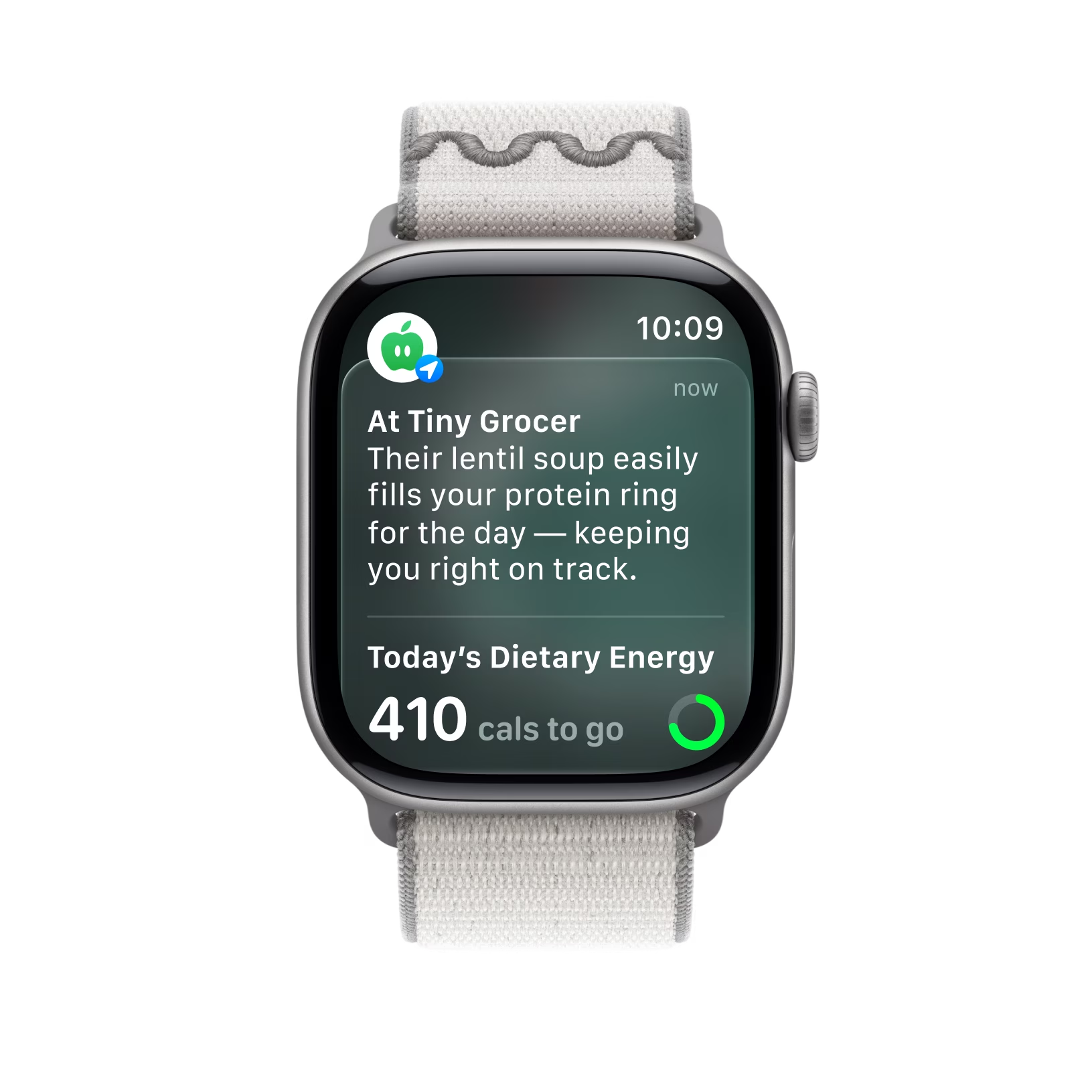
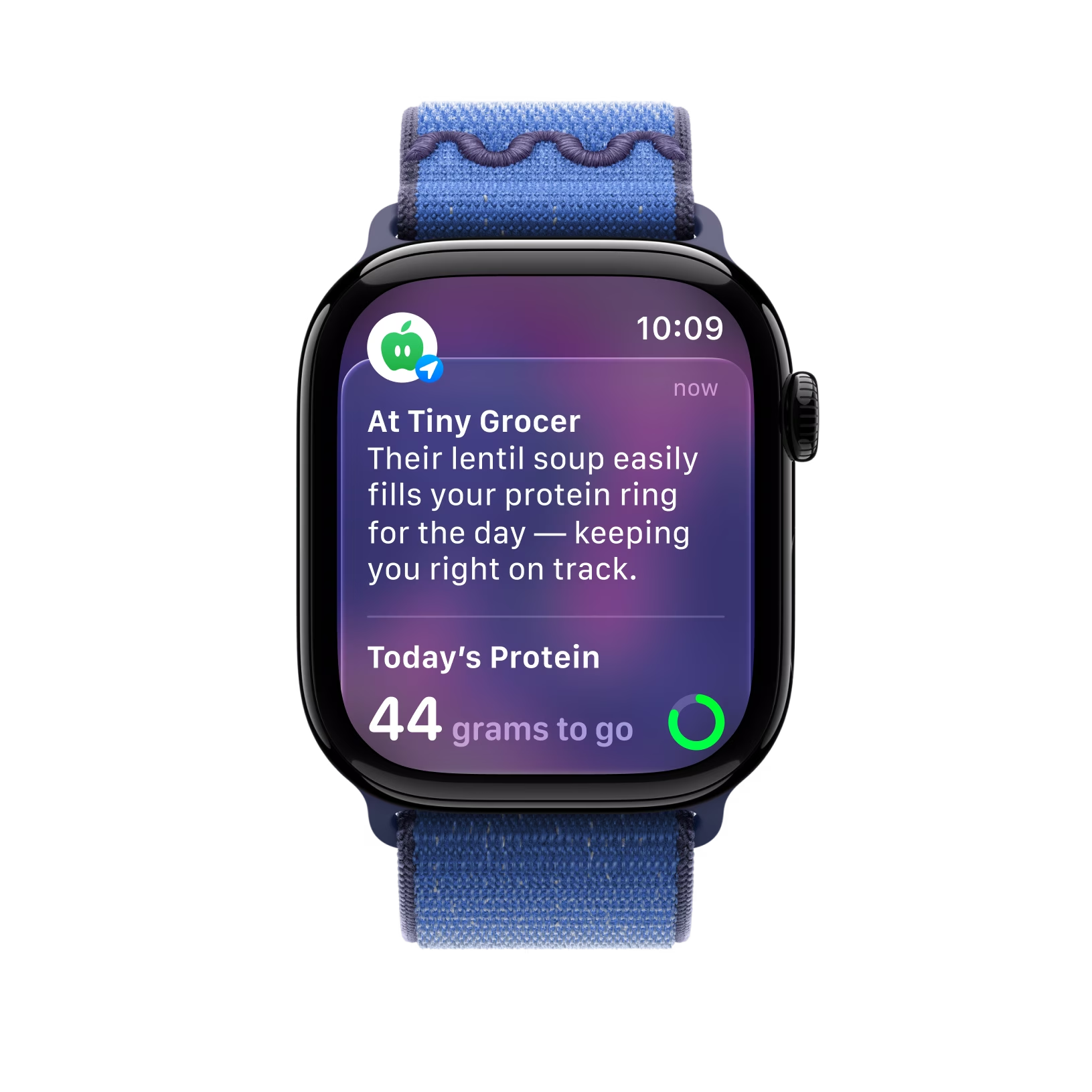
A clearer view of nutrition. Protein, carbohydrates, dietary energy, and other nutrition goals stay visible throughout the day — making it easier to understand your habits over time.
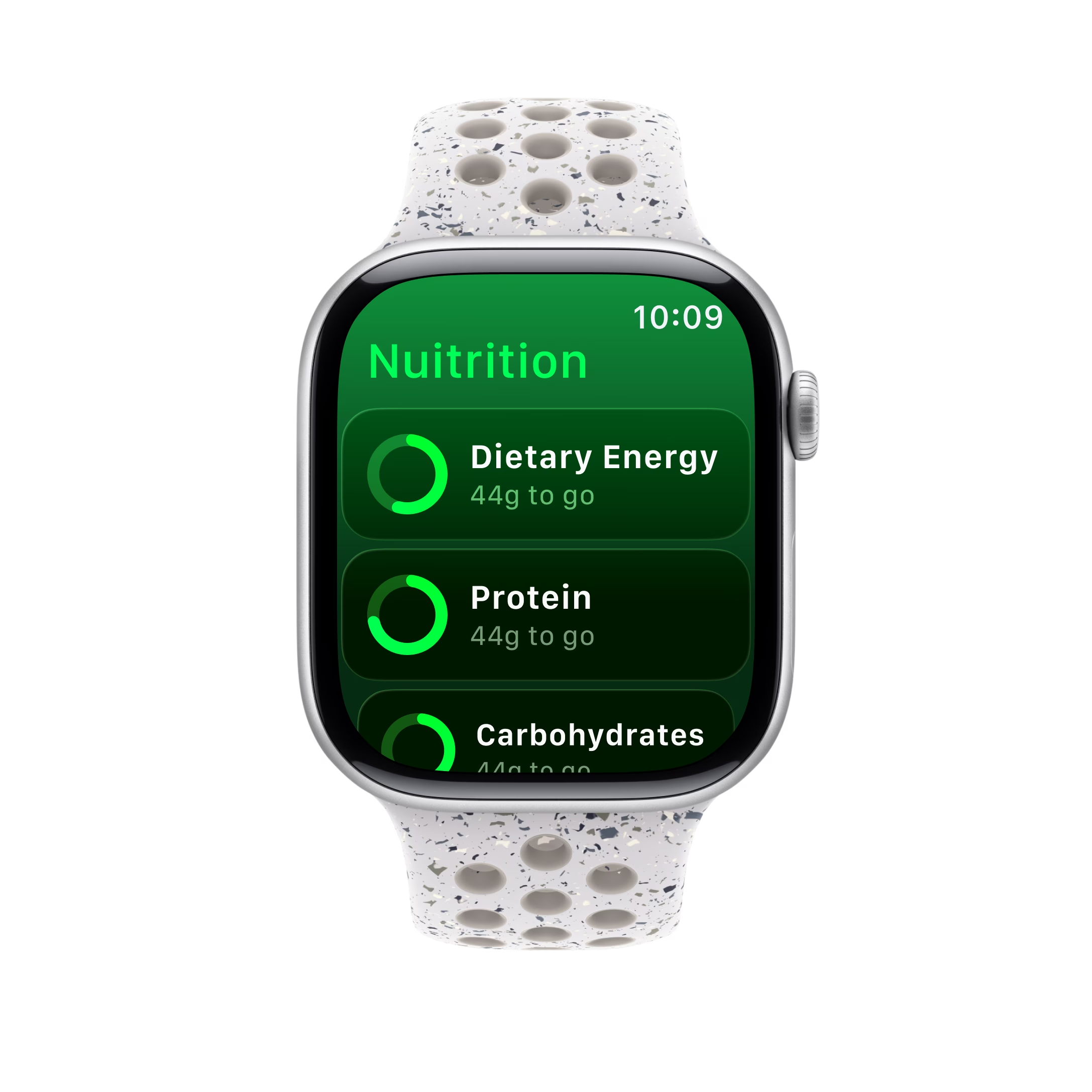
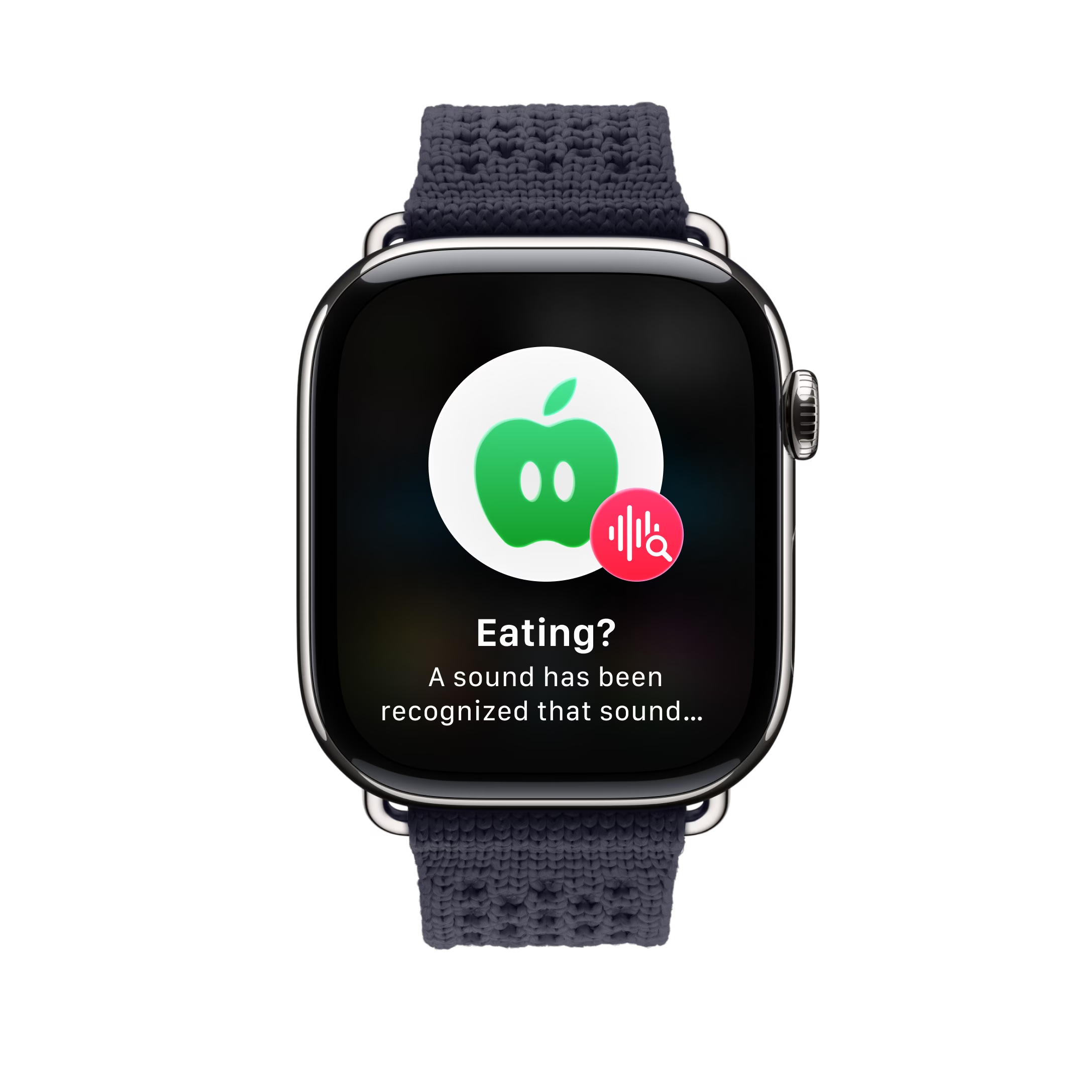
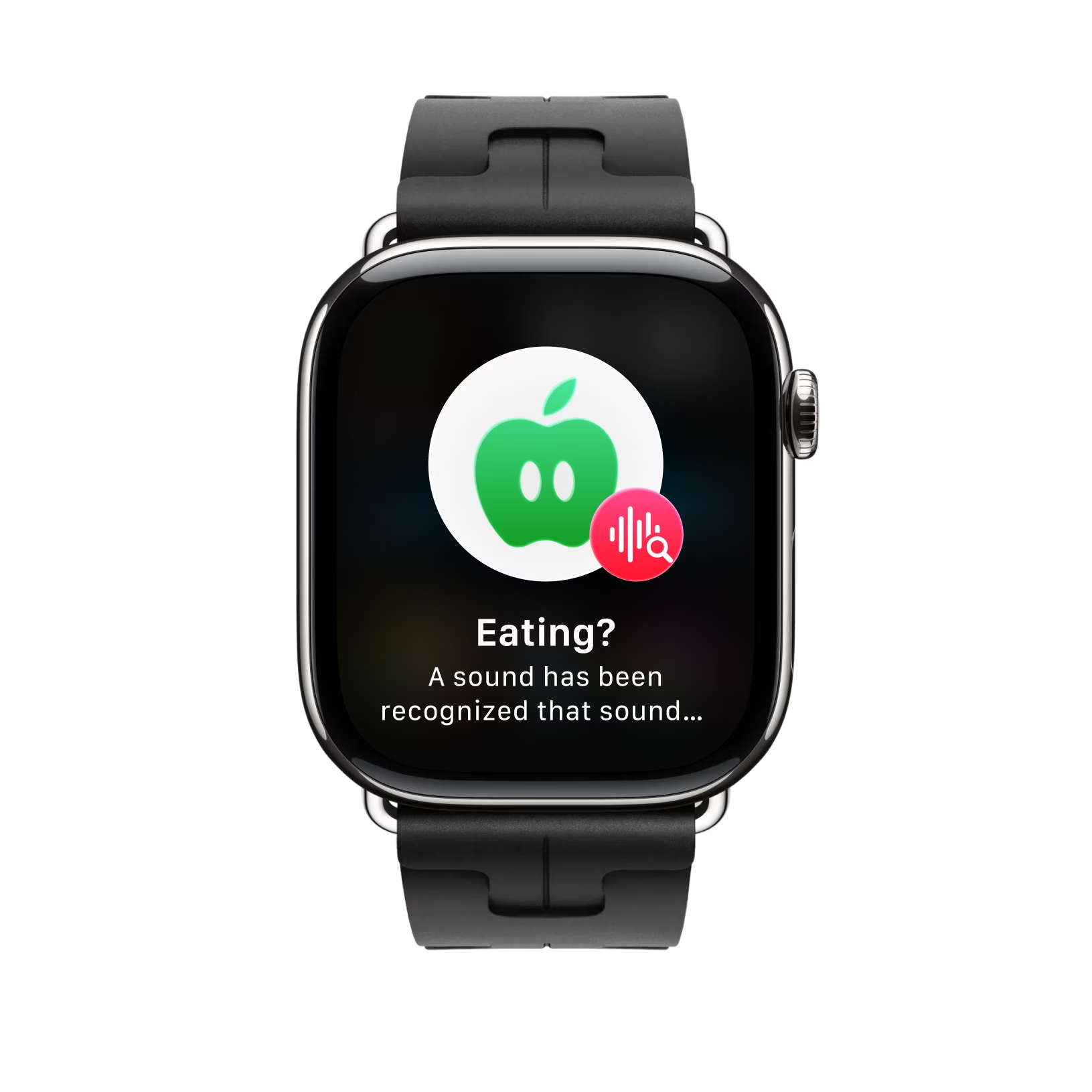
Log meals as they happen. When eating is detected, the experience can quickly surface helpful next steps — from logging a meal to checking progress toward your goals.
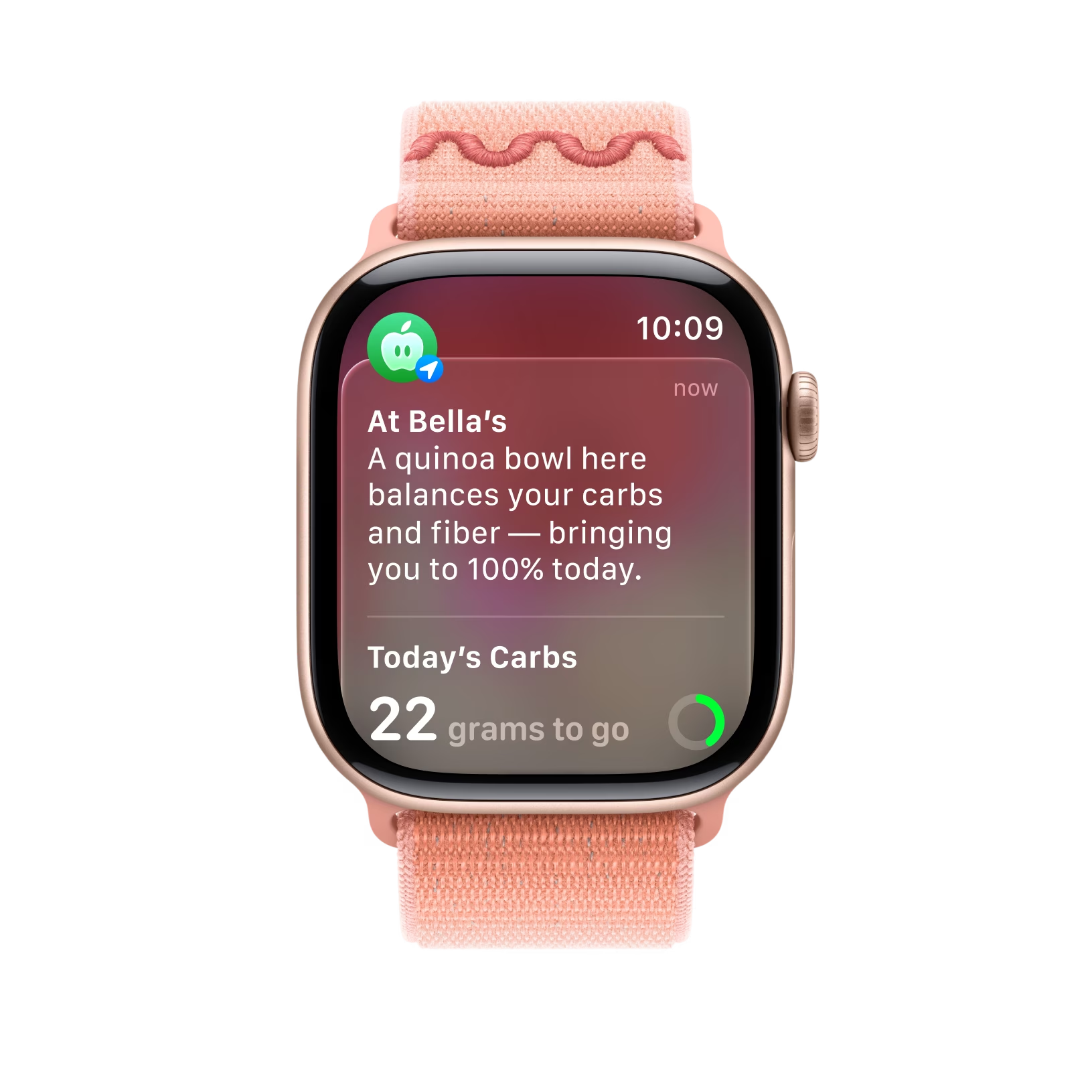
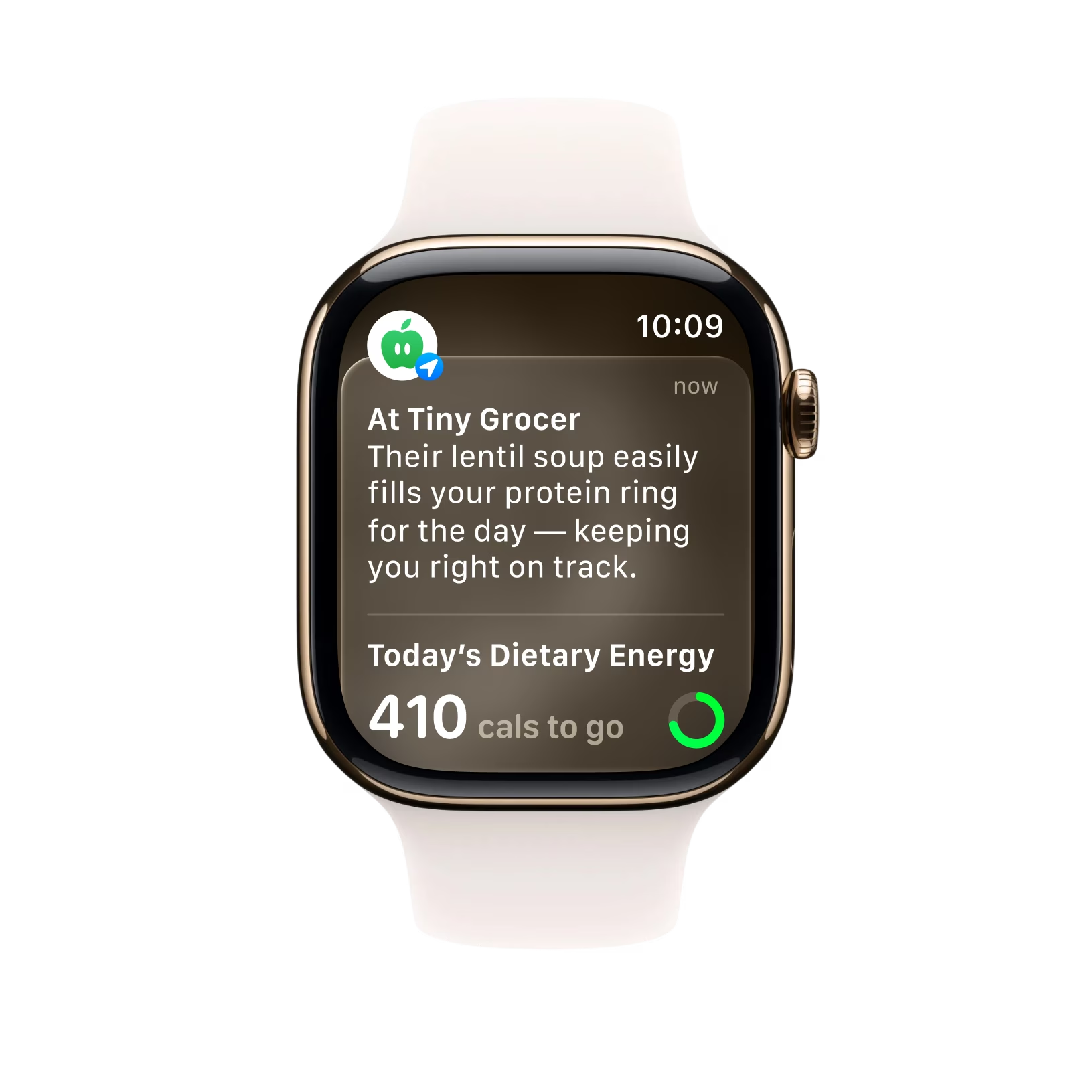
Helpful cues throughout the week. Smart Stack surfaces timely reminders and nearby suggestions that can help you stay on track toward the goals that matter most.
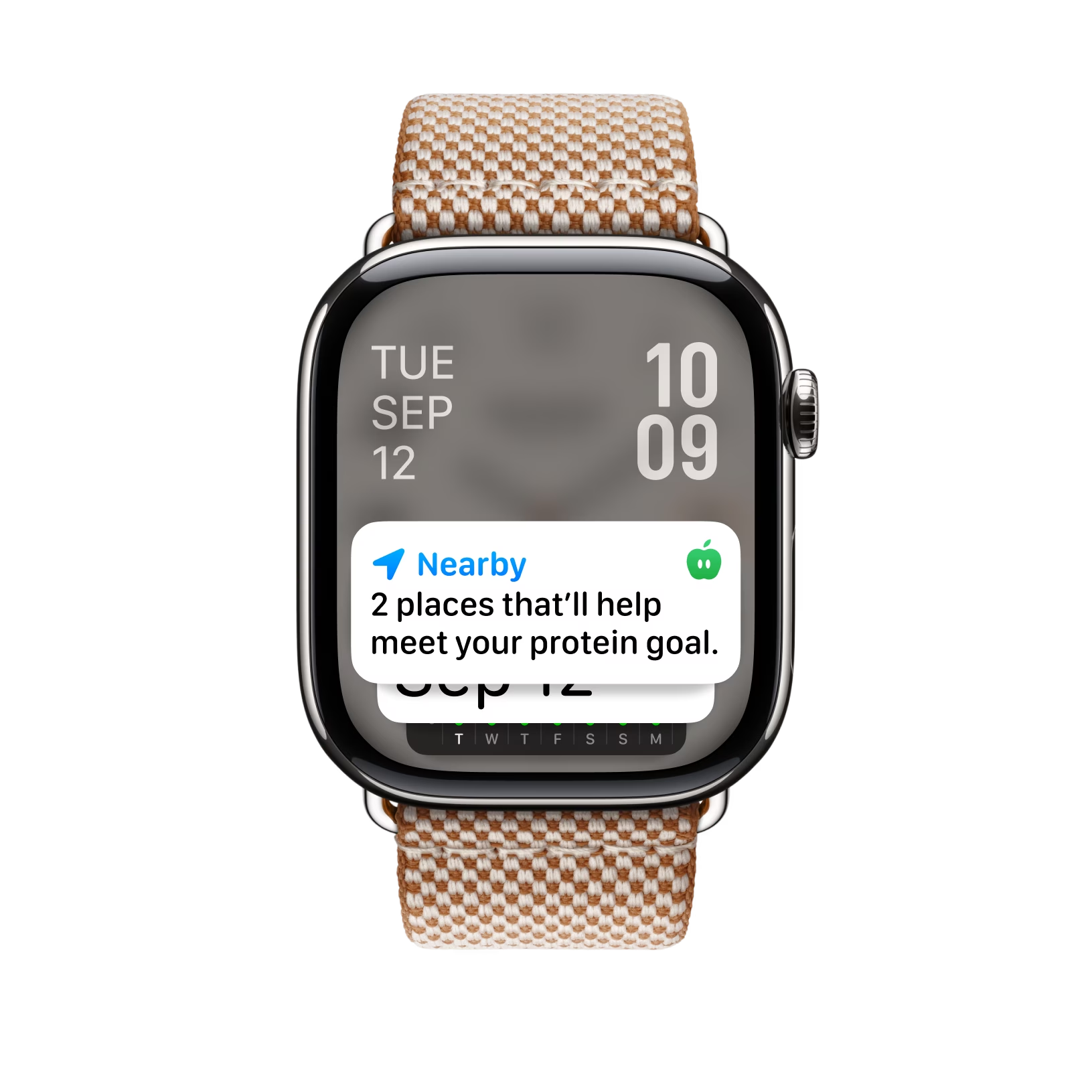
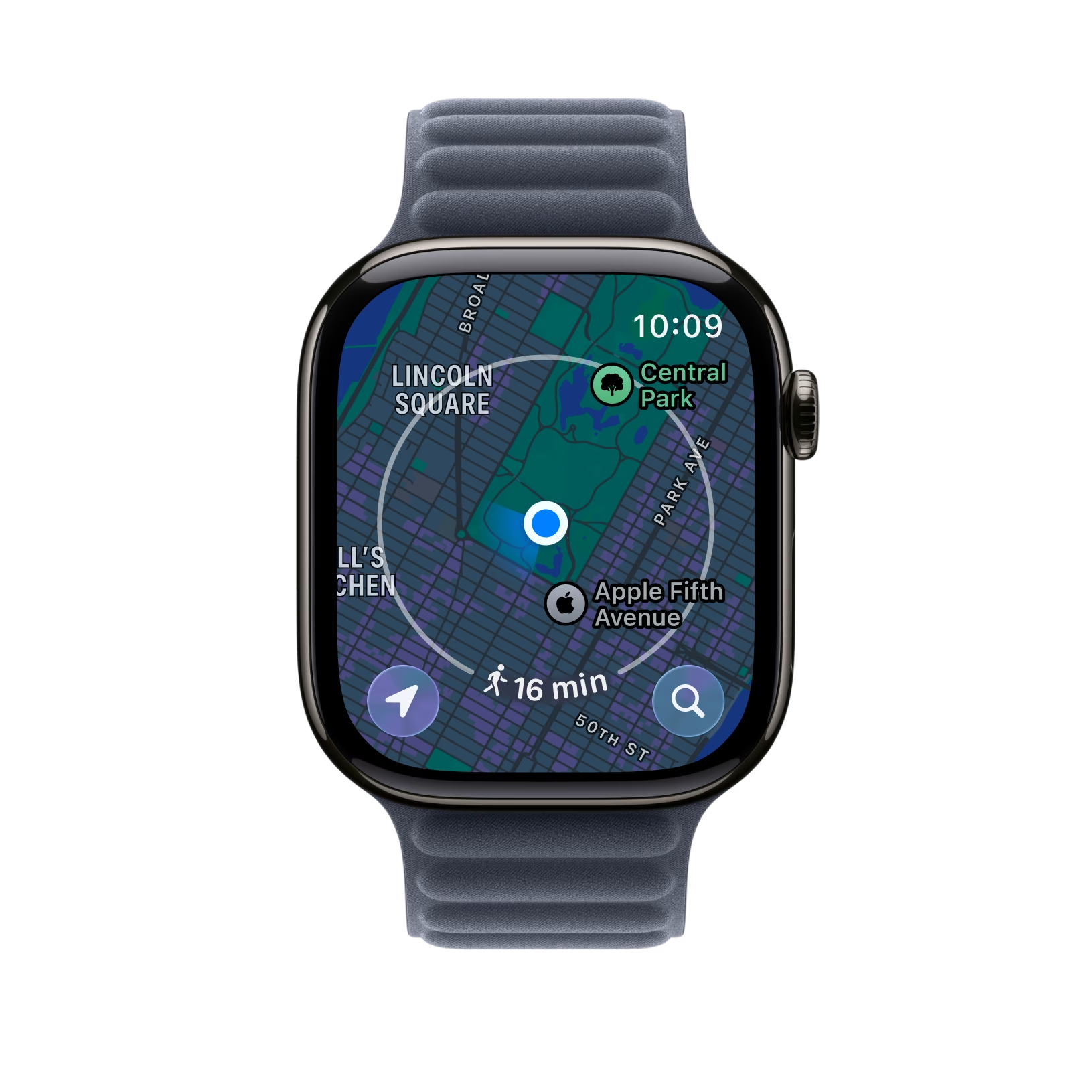
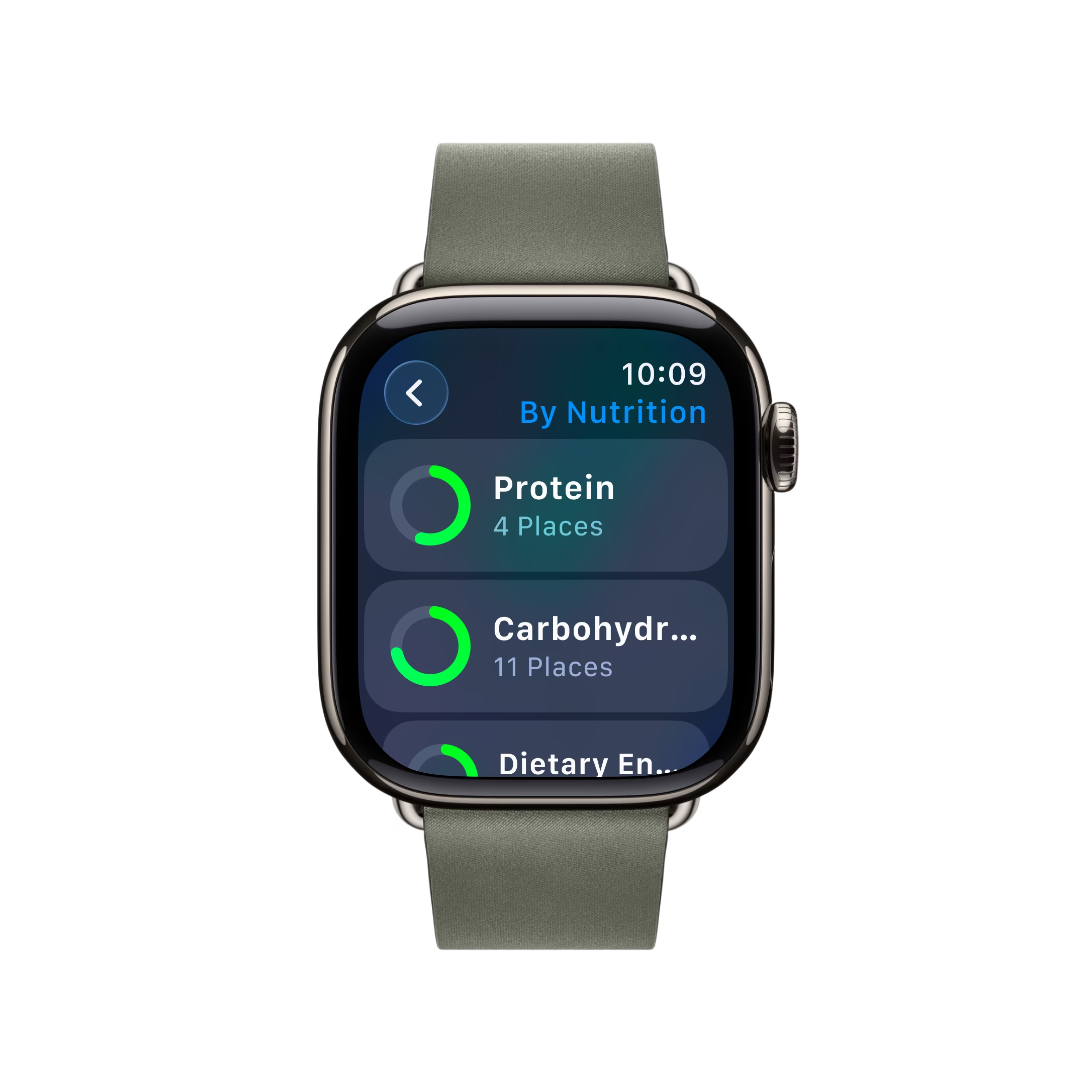
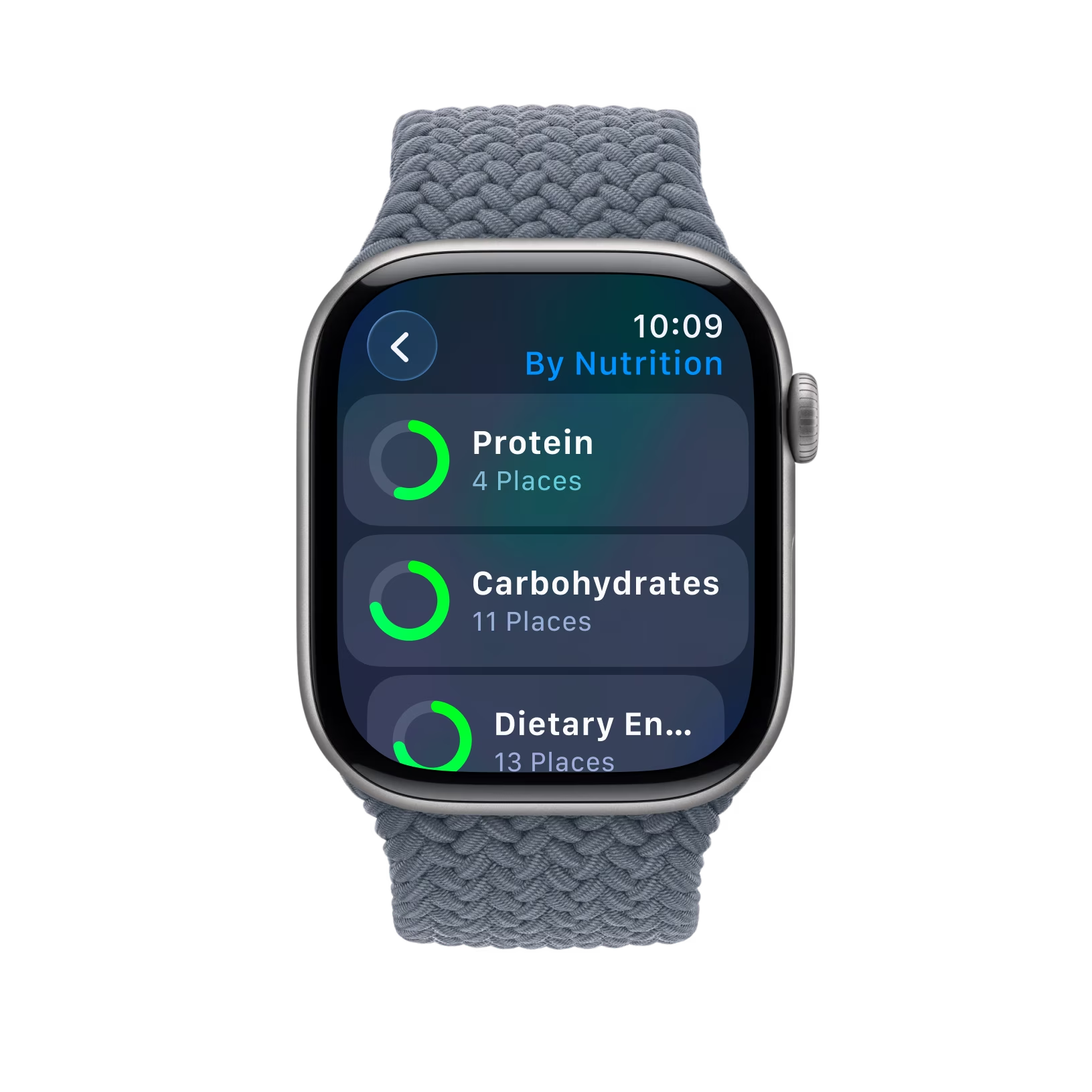
More personal filters. Nutrition goals can extend beyond tracking alone — helping surface nearby places, meals, and routines that better align with the way you want to eat. By integrating with Maps, dietary goals can become a more thoughtful part of everyday life.
Machine Learning
Notes from prototyping.
-
Learning to listen. The project explored how Core ML sound classifiers could recognize eating-related behaviors such as chewing, crunching, drinking, and food preparation through passive audio sensing.
-
Passive sensing changes the design problem. When devices continuously listen for patterns in the background, the challenge becomes less about perfect detection and more about understanding when sensing feels useful, appropriate, and trustworthy.
-
When listening feels invasive. Some intimate or ambiguous situations could unintentionally resemble eating behaviors, raising important questions around privacy, context, and when sensing should step back.
-
Every device changes the experience. Different devices introduced different sensing opportunities and constraints — from motion on Apple Watch, to passive listening on iPhone, to situational audio capture through AirPods.
-
Battery life shapes interaction design. Continuous sensing introduced important tradeoffs between detection fidelity, responsiveness, and power consumption across devices and usage patterns.