The future of crew interaction in space.
When Earth Is Out of Reach
Crew must think, decide, and act—on their own.
As human spaceflight moves beyond low-Earth orbit, communication delays and blackouts make real-time ground support impossible, requiring crews to manage complex, unanticipated situations independently.
In response, NASA's Earth-Independent Operations effort is developing integrated onboard systems that bring monitoring, reasoning, and action directly to the crew—shifting problem-solving from Earth to the spacecraft. Early progress focuses on proving that these technologies can reduce risk and enable confident, timely decisions when it matters most.
See the
whole picture.
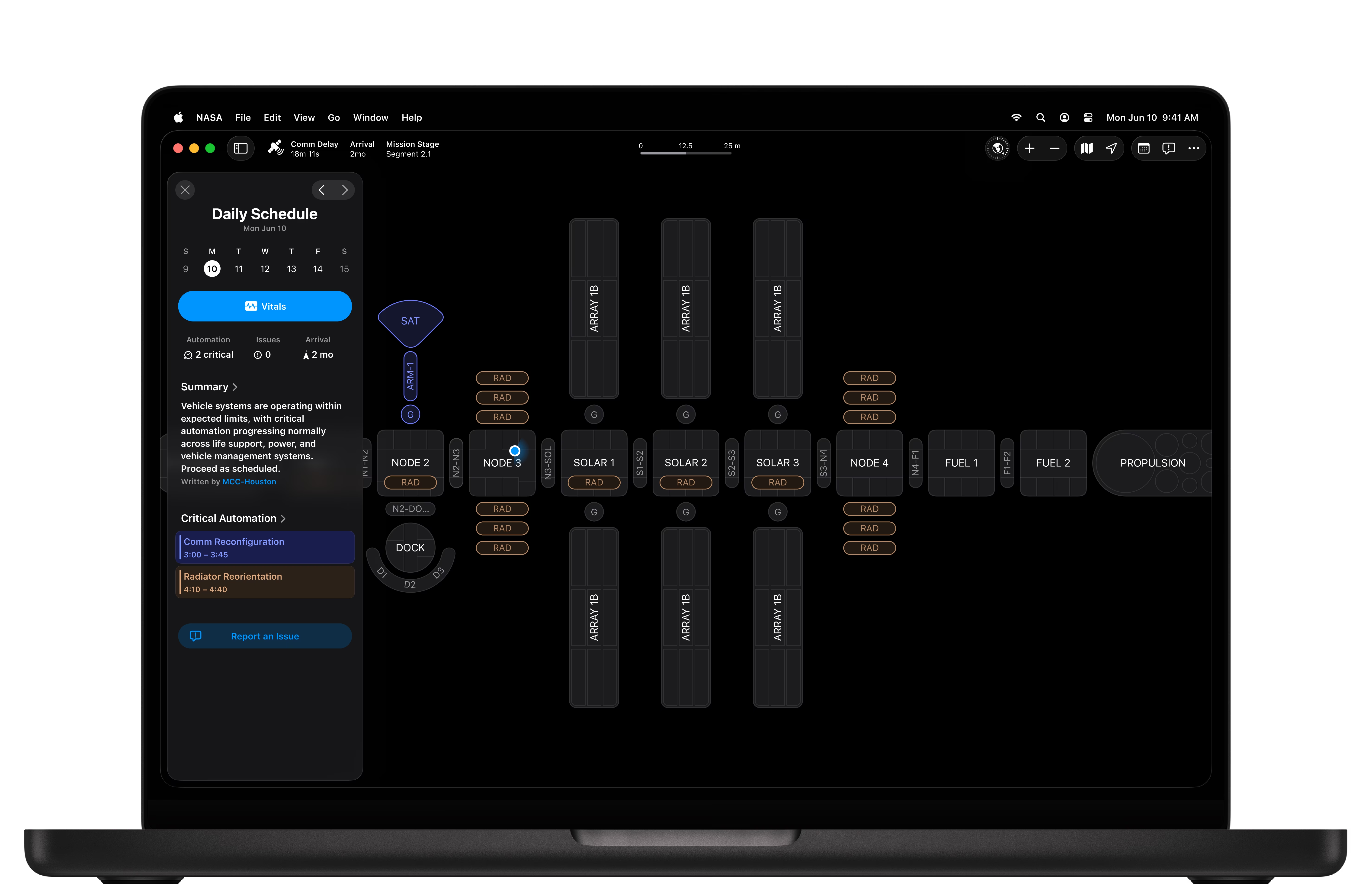
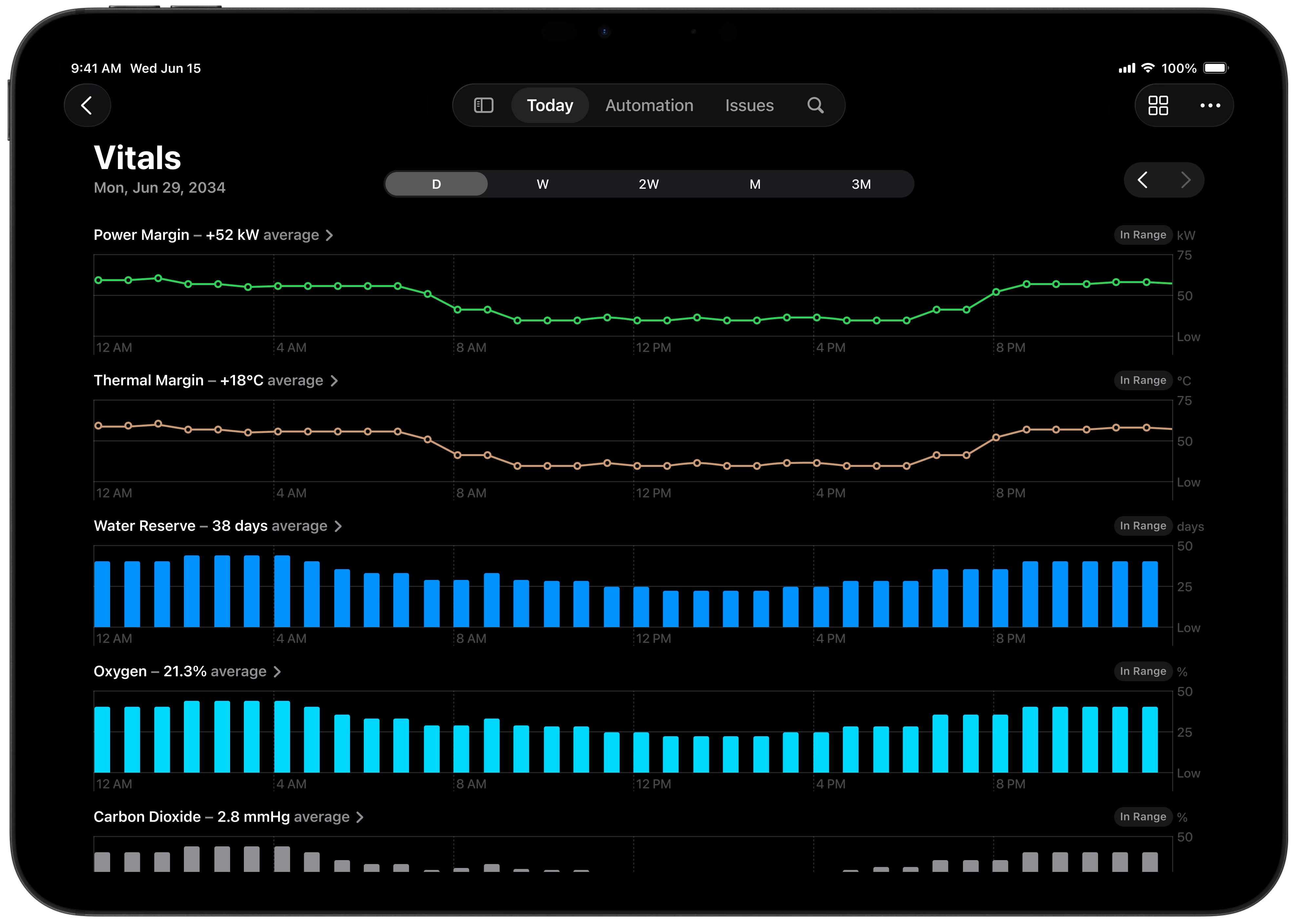
See what's happening now, what's changed, and what deserves attention — without needing to hunt across dozens of tools or rely on years of experience to connect the dots.
One view surfaces system status, ongoing activity, and emerging issues without losing the bigger picture.
Instant access.
Categories like Power, Life Support, and Communication are at the top of the Overview tab, giving you instant access to systems and their status.
Anomaly Response
A real lifeline.
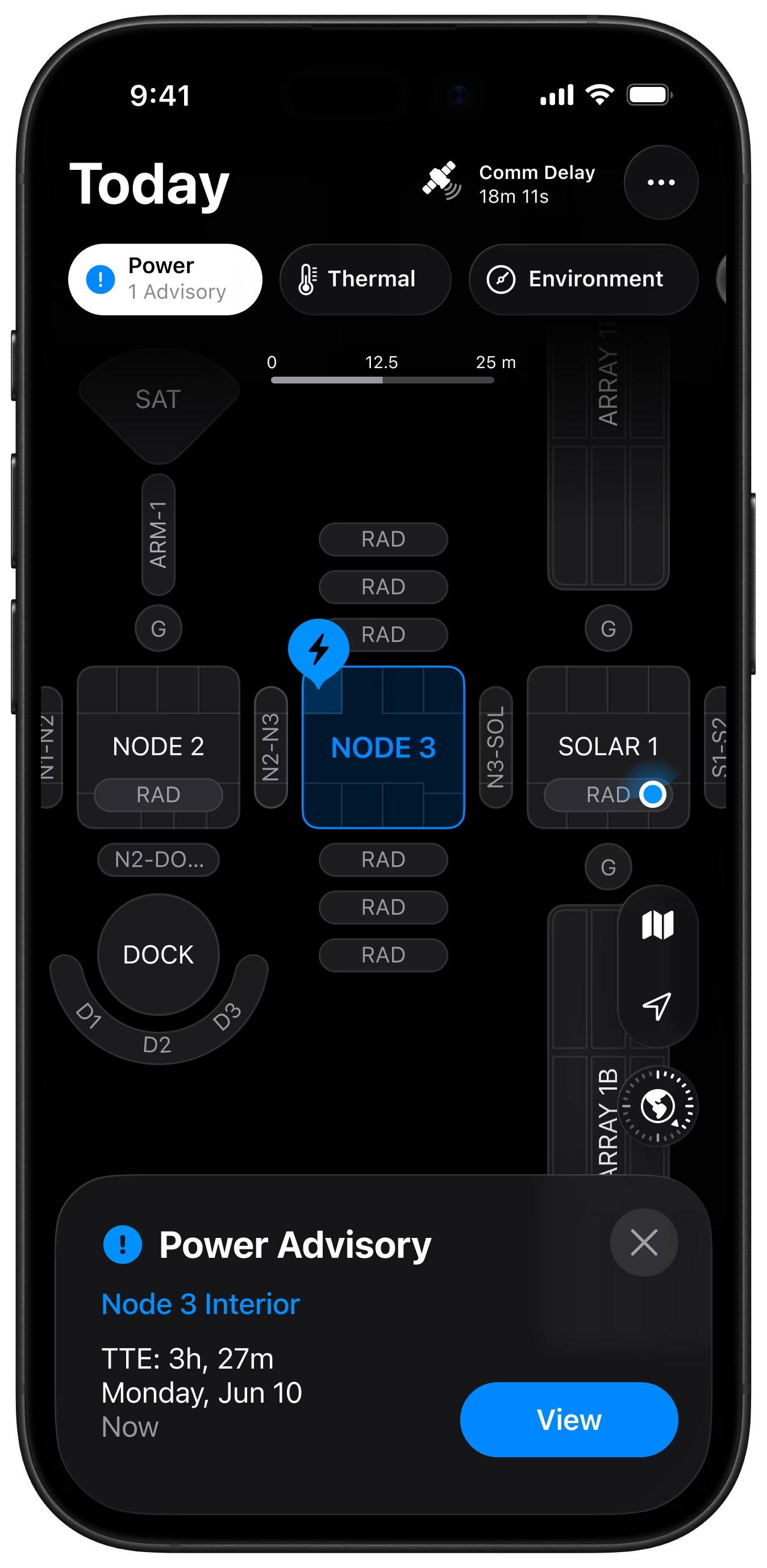
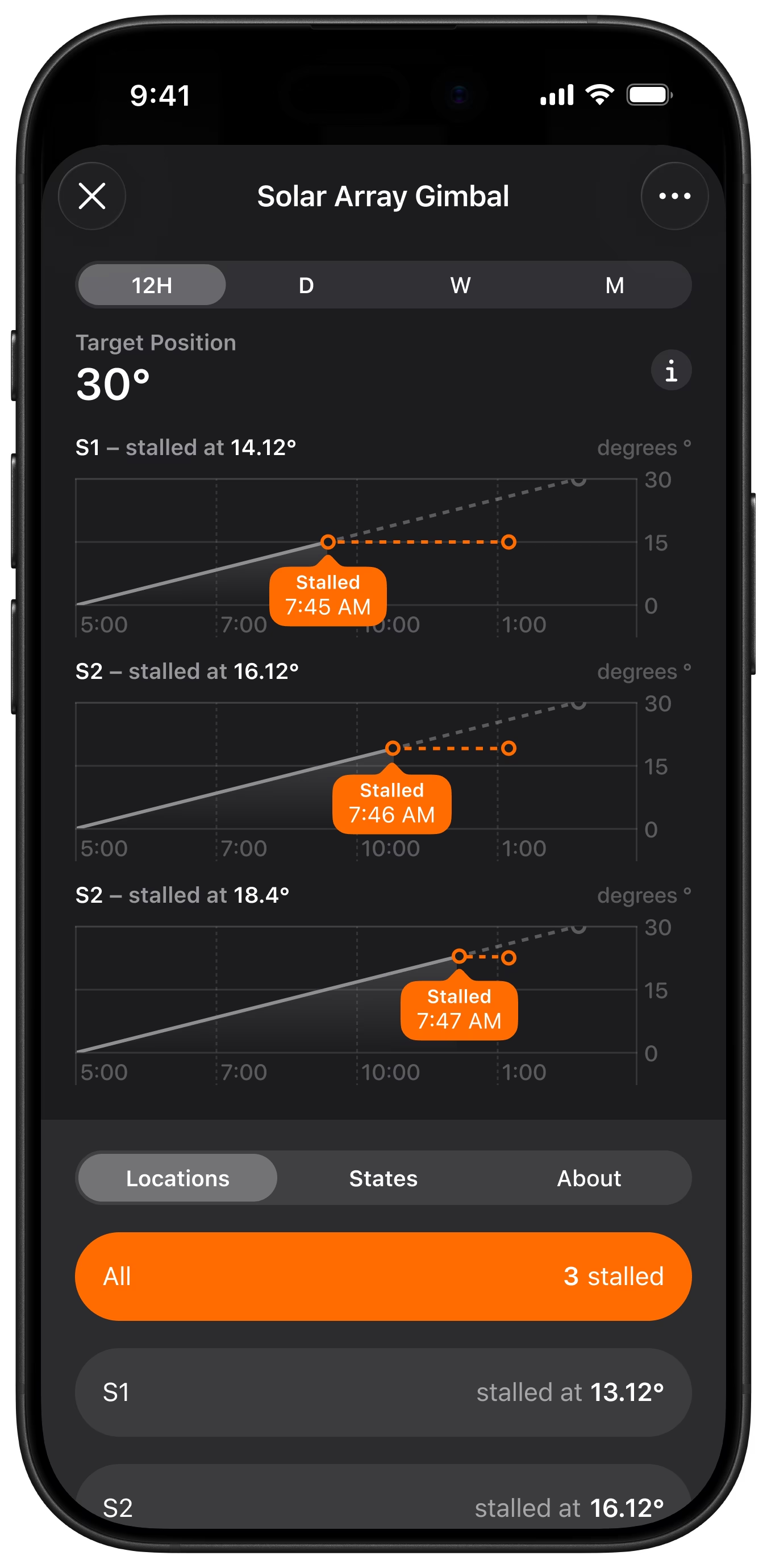
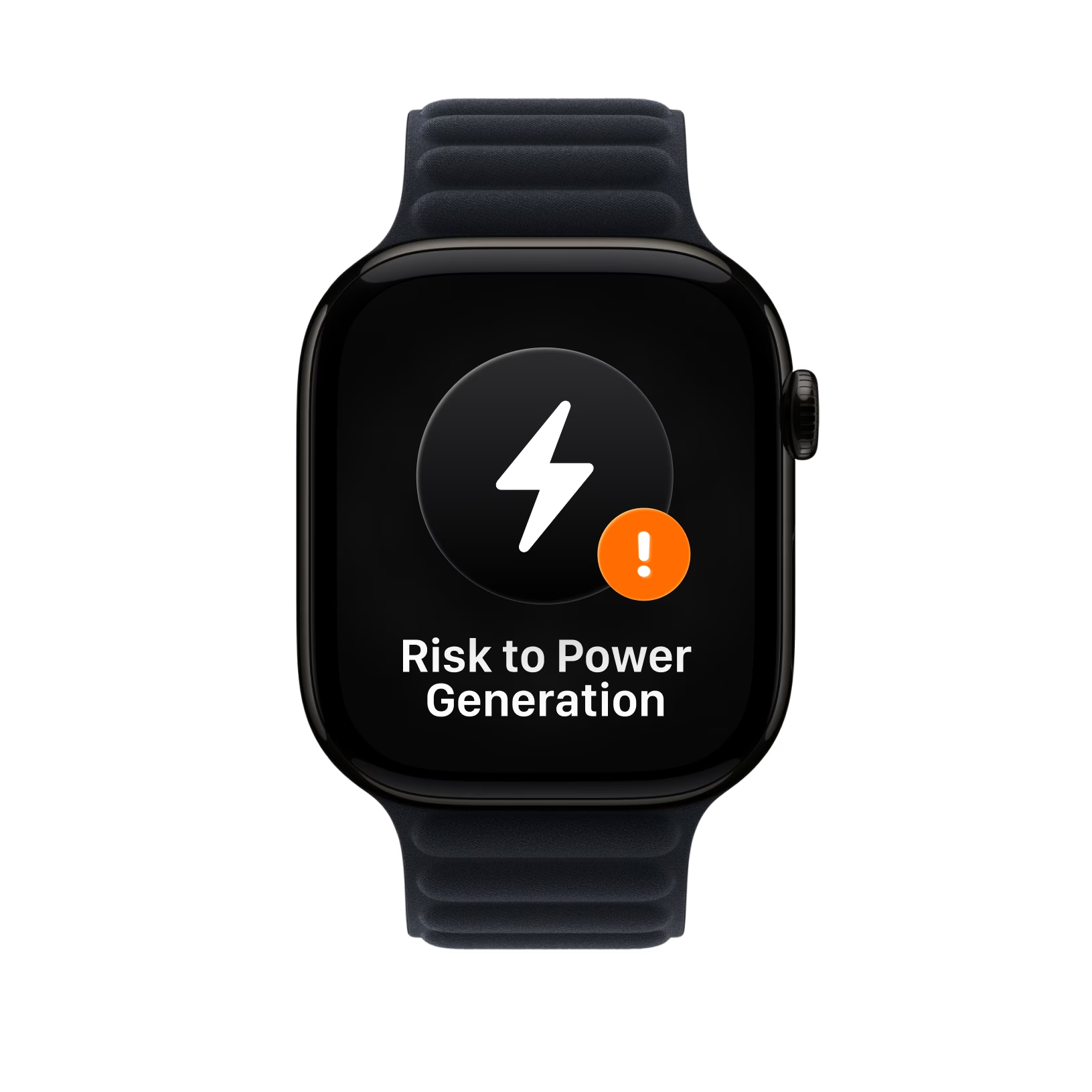
The real challenge isn't simply detecting a problem. It's understanding what changed, what caused it, and how urgently it matters. These interfaces bring together impacts, evidence, possible causes, and procedures into a connected operational workflow designed to support onboard problem solving.
-
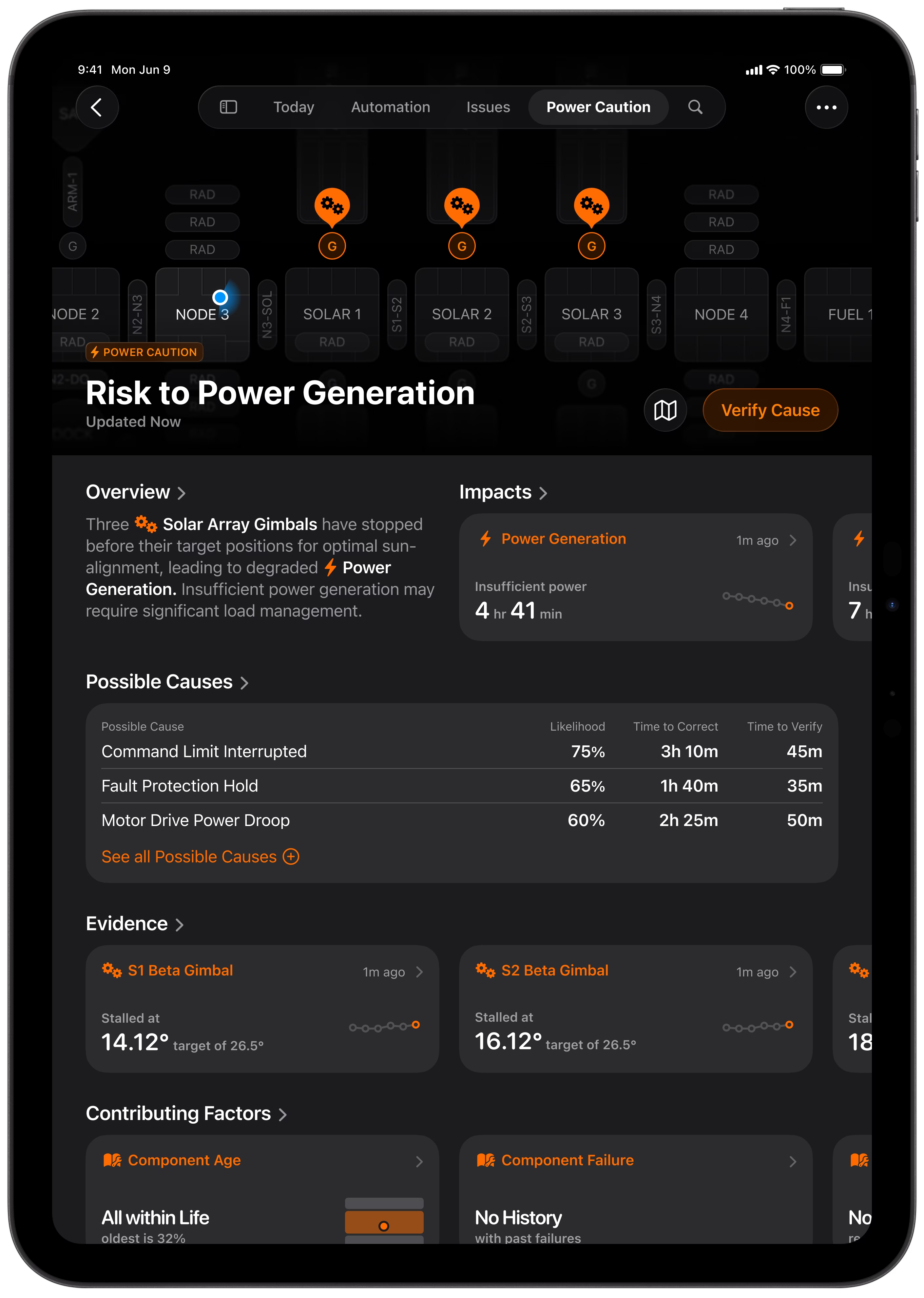
Establish context quickly. Understand the current state of the anomaly, including impacts, system status, and what requires attention now.
-
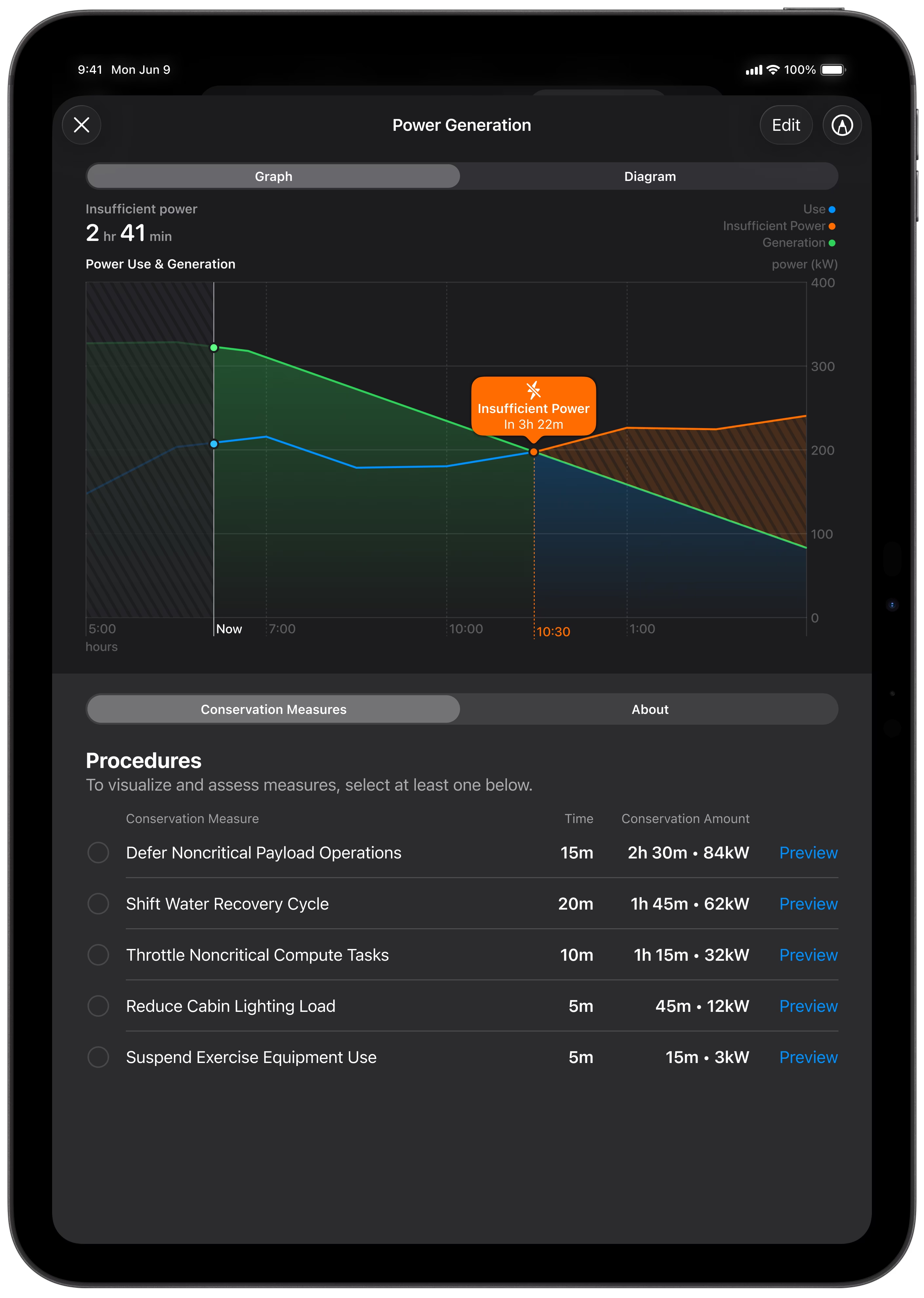
Urgency at a glance. Understand how long the vehicle can safely operate before conditions worsen or capabilities are affected.
-
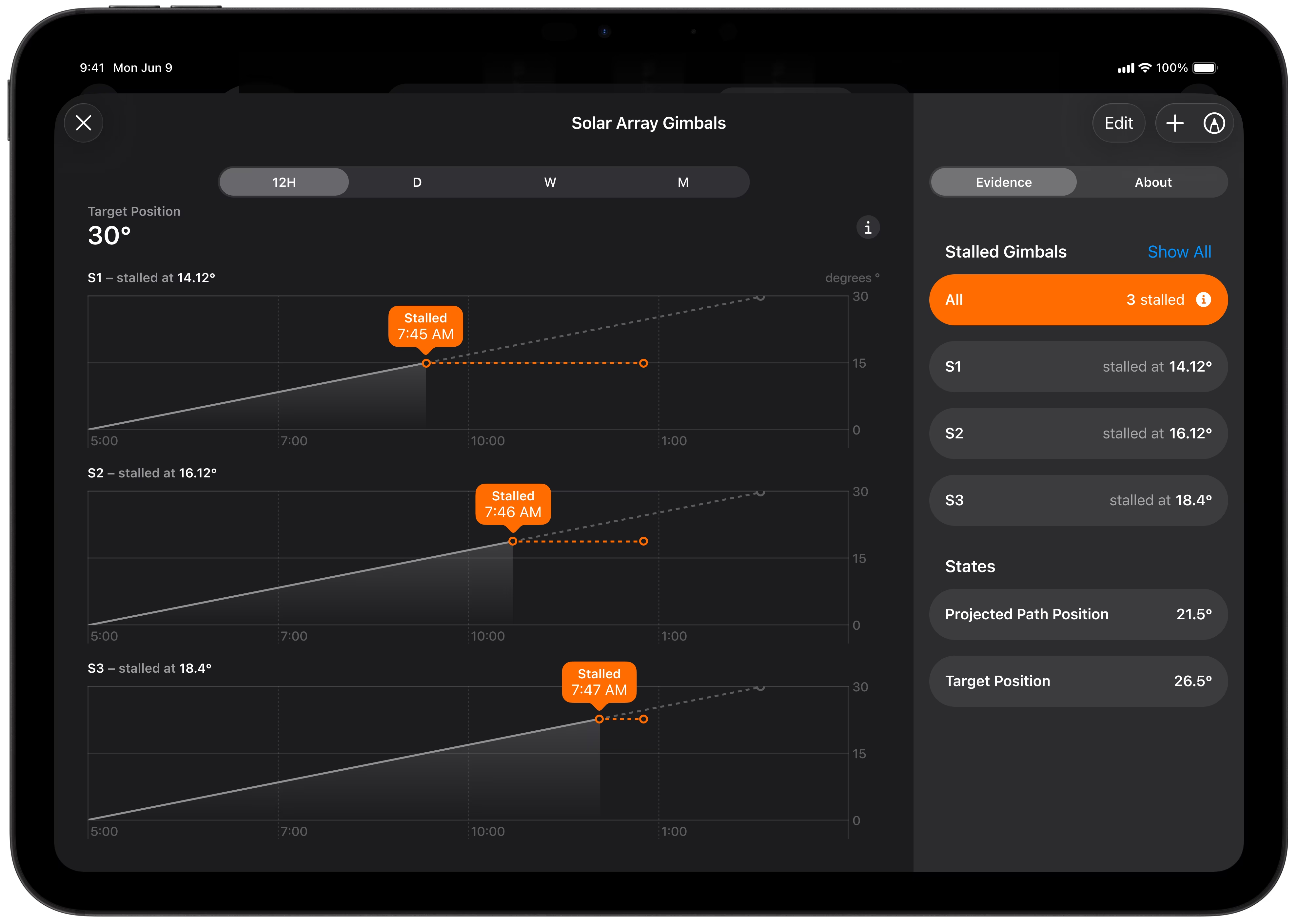
Follow the evidence. Review the observable signals forming the anomaly's signature, including telemetry shifts, advisories, and changing system behavior.
-
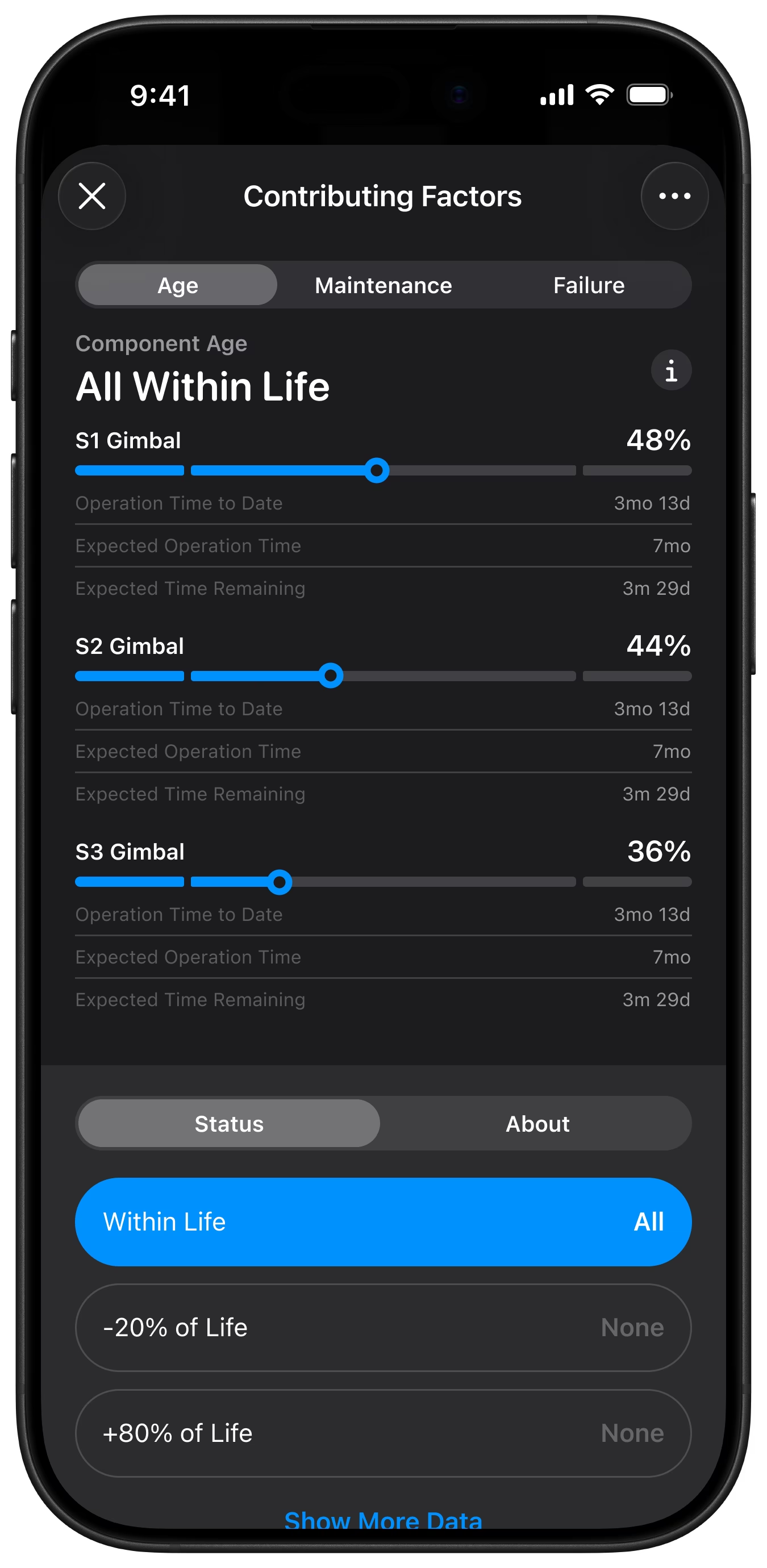
See what may be connected. Identify system conditions, operational context, and historical patterns that may help explain the anomaly or influence its progression.
-
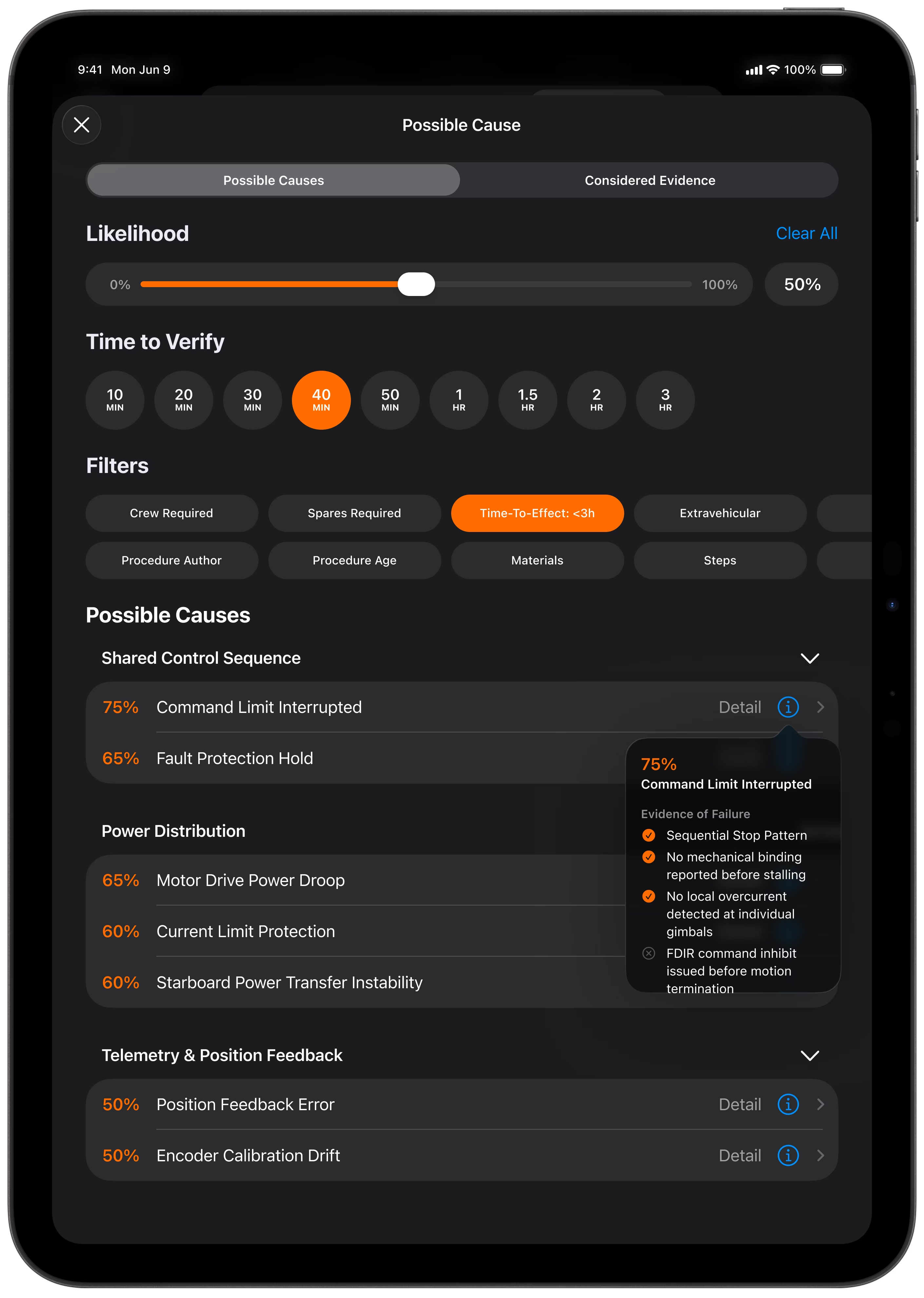
Explore plausible explanations. Explore plausible causes derived from available evidence. New information may strengthen, weaken, or rule out explanations over time.
-
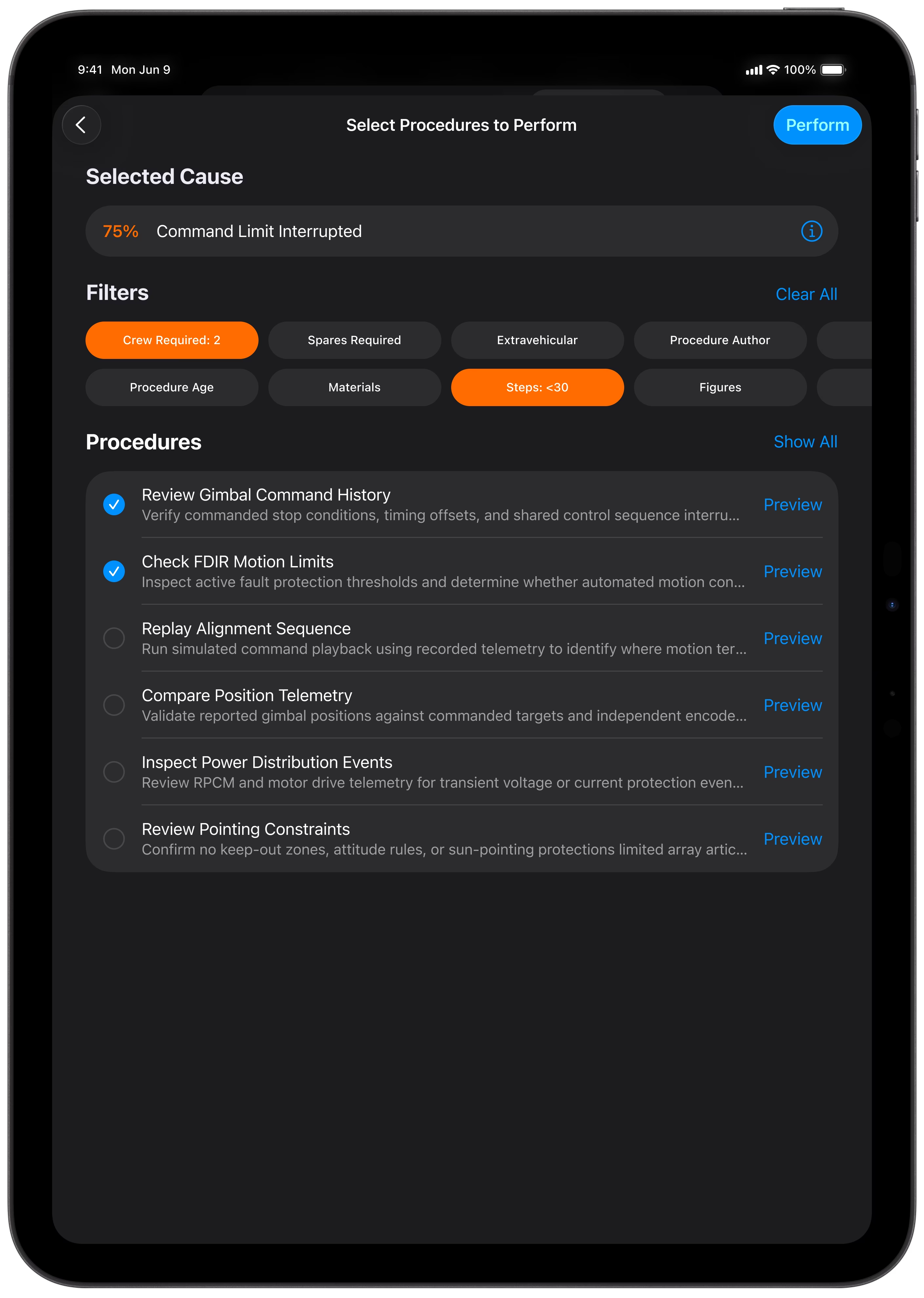
Evidence. Causes. Action. Relevant procedures and response pathways help crews verify, mitigate, or resolve known causes.
Behind the Design.
-
Informed by real operations. The work draws from the procedures, workflows, and operational reasoning used across NASA mission control for the International Space Station.
-
Understanding how experts think. The team studied how flight controllers monitor systems, investigate anomalies, and coordinate under pressure — then translated those patterns into prototypes designed for crew.
-
Familiar patterns. New operational contexts. Navigation structures, system organization, and interaction behaviors were informed by products designed to make complex information feel approachable and understandable to a broad audience.
-
Scenario-driven design. Complex mission situations were recreated, iterated on, and evaluated through rapid prototypes, collaborative reviews, and operational walkthroughs.
-
Built alongside mission operations. Flight controllers, astronauts, researchers, and engineers helped shape the interface through ongoing reviews, walkthroughs, and operational feedback.